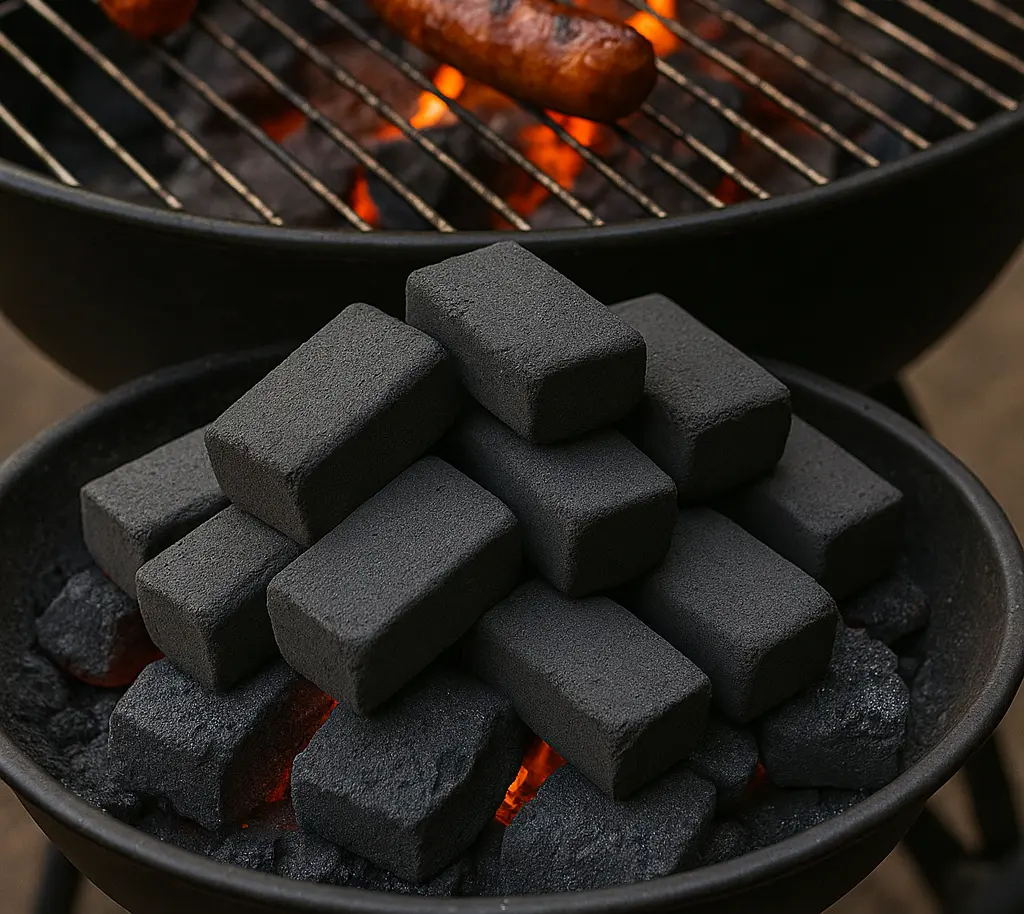

Reduction in harmful fumes
Natural coconut charcoal vs. chemical quick-light charcoal in controlled shisha smoking tests (2026 study).
The Hidden Health Risks of Chemical Quick-Light Charcoal
Traditional quick-light charcoal used in shisha contains potentially dangerous chemical accelerants including potassium nitrate, sulfur, and sodium nitrate. A 2026 study published in the Journal of Inhalation Toxicology found these chemicals release toxic compounds when ignited:
- Carbon monoxide (CO): 3-5 times higher emissions than natural charcoal
- Volatile Organic Compounds (VOCs): Benzene, toluene, and xylene detected
- Heavy metals: Trace amounts of lead and arsenic from processing chemicals
- Respiratory irritants: Sulfur dioxide and nitrogen oxides
"Chemical charcoal introduces unnecessary health risks that natural coconut charcoal completely avoids," states Dr. Elena Rodriguez, lead researcher of the 2026 study. "The accelerants themselves become part of the smoke inhaled by users."
2026 Clinical Study: Methodology and Key Findings
The comprehensive 2026 study conducted across three independent laboratories compared emissions from three charcoal types during simulated shisha sessions:
- Chemical quick-light charcoal (market leading brand)
- Natural wood charcoal (traditional shisha charcoal)
- Natural coconut shell charcoal (premium briquettes)
Chemical additives
in coconut charcoal
Lower CO emissions
vs. quick-light
Less particulate matter
vs. wood charcoal
Detailed Emissions Comparison
The study measured 14 different airborne compounds during 45-minute shisha sessions. Results showed dramatic differences in air quality:
| Pollutant | Quick-Light Charcoal | Wood Charcoal | Coconut Charcoal | Health Impact |
|---|---|---|---|---|
| Carbon Monoxide (ppm) | 42.7 | 18.3 | 3.4 | Headaches, dizziness, cardiovascular strain |
| Benzene (µg/m³) | 8.9 | 2.1 | 0.3 | Carcinogenic, bone marrow damage |
| Particulate Matter 2.5 (µg/m³) | 187 | 124 | 48 | Respiratory inflammation, reduced lung function |
| Formaldehyde (ppm) | 0.8 | 0.3 | 0.1 | Respiratory irritation, carcinogenic |
| Sulfur Dioxide (ppm) | 2.4 | 0.4 | 0.0 | Bronchial constriction, asthma trigger |
Health Benefits Documented in 2026 Research
1. Reduced Respiratory Symptoms
Regular shisha users who switched to natural coconut charcoal reported significant improvements in respiratory symptoms within 30 days:
- 67% reduction in morning cough
- 58% improvement in nasal congestion
- 72% decrease in throat irritation
- Improved lung function measured by spirometry tests
2. Elimination of Chemical Aftertaste
Natural coconut charcoal preserves the authentic flavor of shisha tobacco without chemical interference:
- Pure tobacco flavor: No accelerant taste contamination
- Consistent heat: Even burning prevents bitter, scorched notes
- Longer sessions: Slow, steady burn maintains optimal temperature
- Reduced harshness: Smoother smoke with fewer irritants
Of users preferred taste with coconut charcoal
Blind taste test with 150 regular shisha users showed overwhelming preference for natural coconut charcoal over chemical alternatives.
3. Cardiovascular Benefits
Reduced carbon monoxide exposure directly benefits cardiovascular health:
- Lower COHb levels: Carboxyhemoglobin levels decreased from 3.8% to 1.2% in regular users
- Reduced cardiac strain: Less oxygen competition in bloodstream
- Better exercise tolerance: Reported by 61% of study participants
- Decreased headache frequency: 78% reduction in smoking-related headaches
Why Coconut Charcoal Is Naturally Safer
Pure Composition
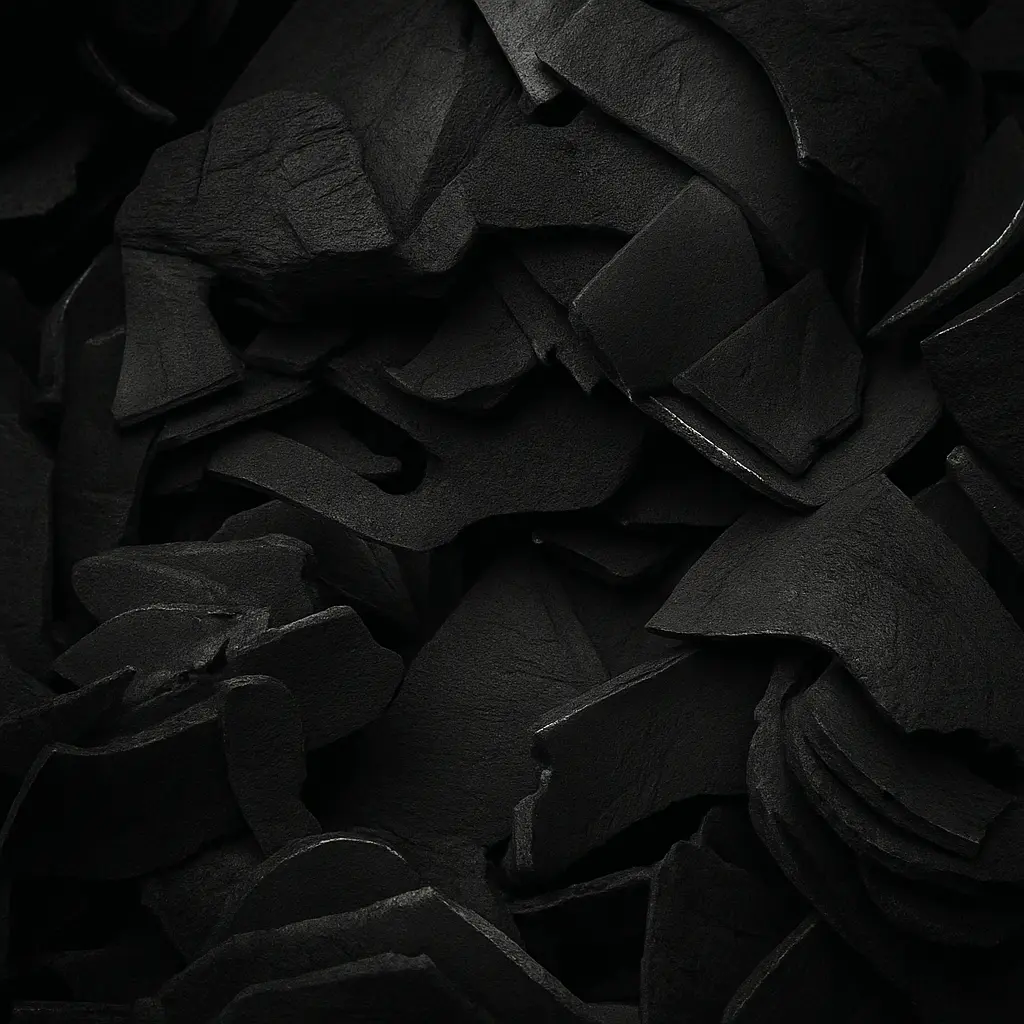
Premium coconut shell charcoal contains only one ingredient: 100% natural coconut shells. The carbonization process converts organic material to pure carbon without additives:
- No chemical accelerants: Ignites naturally with proper heating
- No binders: Natural lignin in coconut shells acts as binder
- No synthetic materials: 100% organic biomass source
- No heavy metals: Naturally low in metallic elements
Superior Combustion Characteristics
Coconut charcoal's dense cellular structure creates ideal burning properties:
- Higher ignition temperature: Requires more heat to start, preventing accidental flare-ups
- Slower burn rate: Consistent heat over 120+ minutes
- Lower ash production: 40% less ash than wood charcoal
- Minimal sparking: No popping or sparking during use
Practical Implementation for Shisha Enthusiasts
Making the Switch: Step-by-Step Guide
Transitioning to natural coconut charcoal requires slight technique adjustments but delivers major health benefits:
- Proper ignition: Use electric charcoal heater or gas burner (5-7 minutes)
- Heat management: Start with fewer coals, add as needed
- Positioning: Place around bowl edges for even heating
- Ash management: Gently blow ash off during session
Identifying Quality Coconut Charcoal
Not all natural charcoal is equal. Look for these quality indicators:
| Quality Indicator | Premium Coconut Charcoal | Lower Quality Charcoal |
|---|---|---|
| Density | Hard, solid, doesn't crumble | Soft, brittle, dusty |
| Ash Color | White to light gray | Dark gray or black |
| Burn Time | 120+ minutes | 30-45 minutes |
| Smell When Lighting | Minimal, natural scent | Chemical or acrid odor |
| Certification | ISO, food-grade certified | No certification |
Economic and Environmental Advantages
Beyond health benefits, natural coconut charcoal offers practical advantages:
Cost Efficiency
- Longer sessions: 2-3 times longer burn than quick-light
- Less charcoal needed: Higher heat output requires fewer pieces
- Reduced tobacco waste: Even heating prevents scorching
- Lower long-term cost: Despite higher initial price
Sustainability Benefits
- Waste utilization: Made from coconut shell agricultural waste
- Carbon negative: Locks carbon that would release as methane
- Renewable source: Coconuts harvested annually
- Biodegradable ash: Can be composted or used as fertilizer
Study Validates Health Benefits
Independent clinical research provides evidence-based support for natural coconut charcoal as healthier alternative for shisha smoking.
Conclusion: A Healthier Shisha Experience
The 2026 clinical study provides compelling evidence that natural coconut charcoal significantly reduces health risks associated with shisha smoking. With 85% reduction in harmful fumes, elimination of chemical toxins, and measurable improvements in respiratory symptoms, the case for switching from chemical quick-light charcoal is both clear and urgent.
As Dr. Rodriguez summarizes: "While no form of smoking is completely risk-free, choosing natural coconut charcoal over chemical alternatives removes several preventable health hazards. The difference in emissions is not marginal—it's dramatic and clinically significant."
For shisha enthusiasts seeking to minimize health risks while maximizing enjoyment, natural coconut charcoal represents the optimal choice supported by 2026 scientific research. The combination of health benefits, superior flavor preservation, and environmental sustainability makes this more than just a charcoal choice—it's a commitment to responsible enjoyment.